
 Recommended On
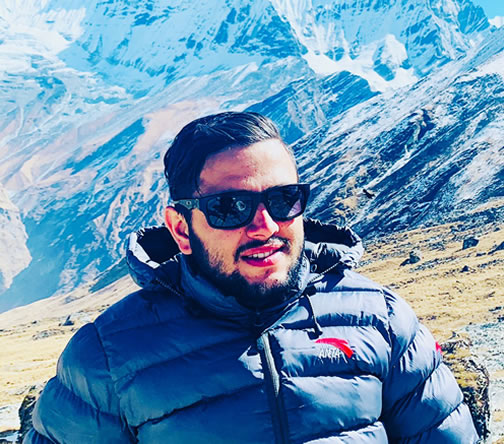
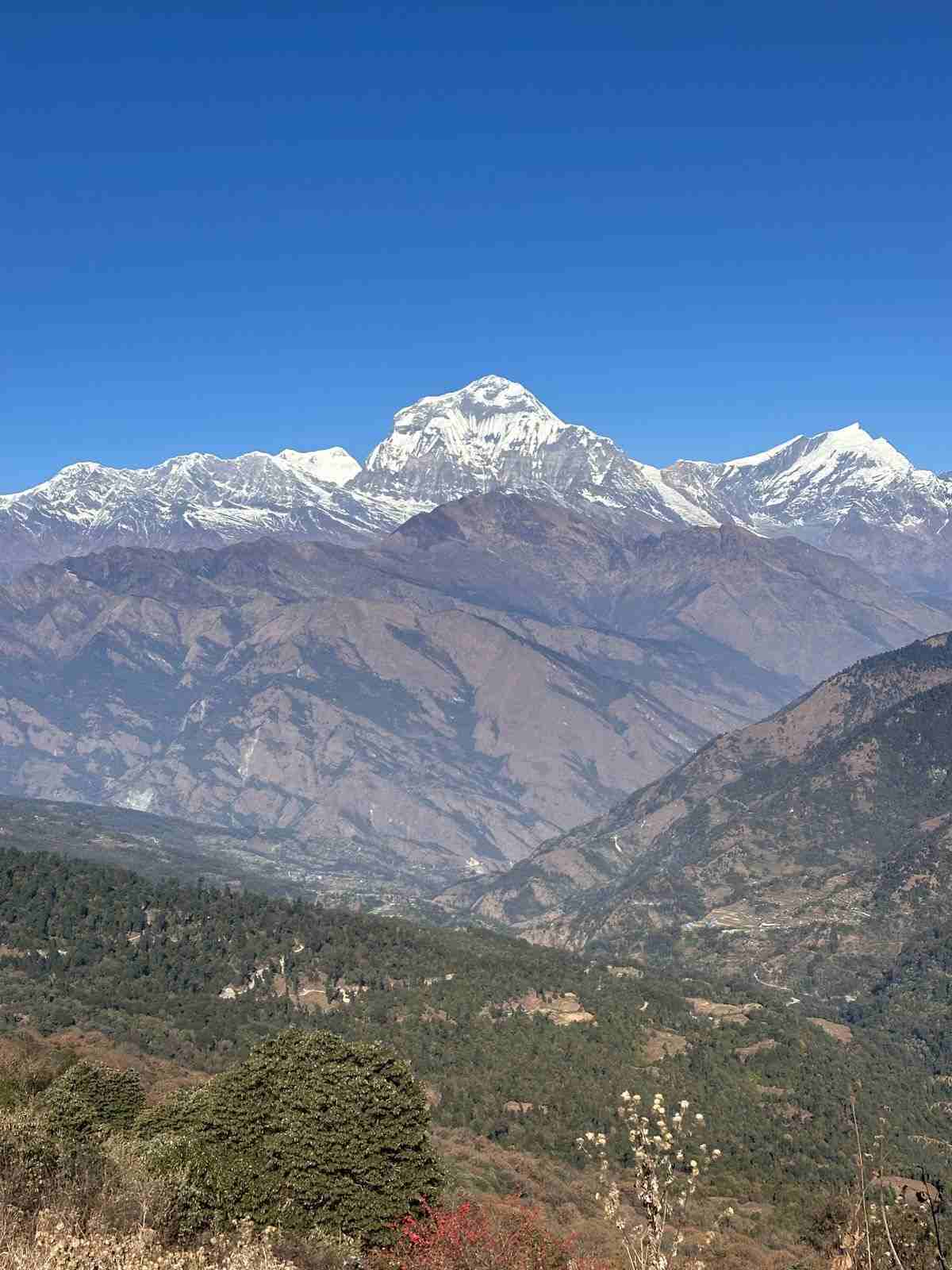
Female solo trekking in Nepal has become increasingly popular because the Nepal Himalayas offer strong tea house trekking infrastructure, welcoming mountain communities, and many established trekking routes. Every year, more solo female trekkers travel across Everest, Annapurna, Langtang, and Mardi Himal regions for both beginner trekking and high-altitude Himalayan trekking experiences. Tea house trekking also creates a more social environment where trekkers regularly meet guides, lodge owners, and other travelers throughout the route.
Nepal is generally considered one of the safer countries in Asia for female solo trekkers, especially on well-known trekking routes with regular trekking traffic and active tea house communities. Still, preparation matters. Altitude, transportation delays, weather exposure, and remote mountain conditions can create challenges for women trekking alone in Nepal, especially on higher or less crowded routes.
At World Expedition Nepal, local trekking guides regularly support solo female trekkers through route planning, altitude preparation, trekking permits, accommodation coordination, and realistic trekking advice across different Himalayan regions. Because the team works directly on these trails every trekking season, they understand the practical concerns many women have before trekking alone in Nepal, including trekking safety, weather exposure, communication limitations, and acclimatization.
Is Nepal Safe for Female Solo Trekkers?
Most female solo trekkers in Nepal experience friendly interactions and supportive trekking environments, especially on well-established trekking routes with active tea house communities and regular trekking traffic.
Why Nepal is considered relatively safe for female trekkers
Nepal has a long trekking culture, especially in mountain regions where tourism supports local communities and tea house businesses. On popular trekking routes, trekkers, guides, lodge owners, and porters interact regularly throughout the day, which creates a more social environment compared to isolated hiking destinations. Many solo female trekkers feel comfortable because tea house trekking in Nepal routes usually have consistent trekking traffic during the main trekking seasons.
World Expedition Nepal regularly guides female travelers through Annapurna, Everest, Langtang, and Mardi Himal trekking routes, where tea house infrastructure and local hospitality remain strong. Most women report positive experiences with local communities, especially in mountain villages that depend heavily on trekking tourism.
Common concerns solo female trekkers have before arriving
Many women worry about trekking alone in Nepal, accommodation privacy, harassment, transportation, altitude sickness, and cultural misunderstandings before arriving. These concerns are understandable, especially for first-time solo travelers entering remote mountain regions. Some trekkers also feel nervous about tea house conditions, shared dining halls, and communication limitations at higher elevations.
In reality, most female solo trekking experiences in Nepal are more physically challenging than socially unsafe. Long trekking days, altitude fatigue, and weather exposure usually become bigger concerns than serious safety problems on established trekking routes.
Why preparation and route choice matter for safety
Preparation and route choice play a major role in trekking safety in Nepal. Well-established routes usually provide stronger trekking infrastructure, easier transportation, more reliable tea houses, and regular trail traffic. Routes with active trekking communities naturally feel more supportive and safer for solo female trekkers compared to remote, restricted regions.
World Expedition Nepal usually recommends beginner-friendly trekking routes for women attempting solo Himalayan trekking for the first time. Proper preparation, realistic itinerary planning, and altitude awareness often improve confidence significantly throughout the trek.
Safety differences between cities and trekking regions
Kathmandu feels very different from mountain trekking regions. The city is busier, louder, and more crowded, especially around transportation hubs and tourist districts. Female solo travelers often need more awareness during city transportation and evening travel than during actual trekking days in mountain villages.
Mountain trekking regions usually feel calmer and more community-based because trekkers follow shared routes and tea house systems. Villages along major trekking routes often develop supportive environments where lodge owners, guides, and trekkers know each other throughout the trekking season.
Can Women Trek Alone in Nepal?
Women can trek alone in many regions of Nepal, but some restricted trekking areas require licensed guides and organized permits for safety and regulation reasons.
Solo trekking rules and guide requirements in Nepal
Nepal trekking regulations vary depending on the trekking region. Some routes still allow independent trekkers, while other restricted regions require licensed local guides and organized permits. Regulations occasionally change, so trekkers should always confirm updated trekking rules before arriving in Nepal.
World Expedition Nepal regularly helps trekkers understand current trekking permit systems, TIMS regulations, and restricted area requirements before starting remote Himalayan treks. Understanding these rules early helps avoid logistical problems later during the journey.
Which treks allow independent female trekkers?
Popular trekking routes such as Ghorepani Poon Hill Trek, Mardi Himal Trek, Annapurna Base Camp Trek, and Langtang Valley Trek generally remain accessible for independent trekking. These routes have stronger tea house trekking infrastructure, regular trekking traffic, and easier logistics compared to restricted regions.
Solo female trekkers often choose these routes because transportation, accommodation, and trail navigation remain relatively straightforward. The social trekking atmosphere on these trails also helps many women feel more comfortable during solo travel.
Which trekking regions require licensed guides?
Restricted regions such as Manaslu, Upper Mustang, Nar Phu, and Kanchenjunga require licensed guides and organized permits. These routes involve remote mountain conditions, fewer trekkers, and more limited infrastructure. Communication limitations and emergency evacuation challenges also become more serious in these regions.
World Expedition Nepal regularly provides licensed guides for restricted trekking areas because route management, altitude support, and logistics become much more important on remote Himalayan trails.
Difference between solo trekking and solo travel in Nepal
Solo trekking means walking independently on the trail, while solo travel includes transportation, accommodation, and travel planning throughout Nepal. Many women travel independently across Nepal but still hire guides during high-altitude trekking sections for additional safety and logistical support.
Some trekkers prefer fully independent trekking for maximum travel flexibility, while others choose private guided trekking for more confidence during remote mountain travel.
Why do many women choose private guided trekking instead of fully solo trekking?
Many women choose private guided trekking not because Nepal is unsafe, but because guides reduce logistical stress and improve trekking confidence. Local guides help organize tea houses, transportation, route planning, and altitude management throughout the trek.
World Expedition Nepal regularly supports solo female trekkers who want flexibility while still benefiting from local mountain expertise. Many women feel more relaxed knowing a guide can help during weather disruptions, altitude problems, or transportation delays in remote Himalayan regions.
What Should Female Solo Trekkers Expect While Trekking in Nepal?
Tea house trekking in Nepal usually feels social and supportive because trekkers, guides, and lodge owners interact closely along popular mountain routes throughout the trekking season.
Tea house culture and interactions with locals
Tea house trekking in Nepal culture is one of the main reasons many female solo trekkers enjoy Himalayan trekking in Nepal. Tea houses provide meals, accommodation, and shared social spaces where trekkers naturally interact during evenings after long trekking days. These shared dining halls often create supportive trekking communities along the trail.
Local hospitality in mountain villages usually feels warm and welcoming toward trekkers. Tea house owners and guides often become familiar faces during multi-day trekking routes, especially on busy trails during spring and autumn trekking seasons.
Daily trekking routines in the Himalayas
Most trekking days start early in the morning because mountain weather is usually clearer and more stable before afternoon cloud cover develops. Trekkers normally walk several hours before stopping for lunch at tea houses along the route. Evening routines usually include dinner, tea, route discussions, and rest inside shared dining halls.
Many first-time female trekkers are surprised by how structured tea house trekking becomes after several days. The routine of waking early, trekking slowly, acclimatizing, and resting becomes part of the Himalayan trekking rhythm.
How remote trekking regions differ from cities like Kathmandu
Remote mountain regions feel very different from Kathmandu. Villages become quieter, transportation becomes slower, and internet connectivity becomes limited at higher elevations. Trekkers often spend more time focused on weather, altitude, and trail conditions rather than busy city environments.
World Expedition Nepal usually explains these differences carefully before treks begin so solo female travelers understand what to expect in remote Himalayan regions. Realistic expectations often help trekkers adapt more comfortably during long mountain journeys.
What surprises many first-time female trekkers
Cold temperatures, communication limitations, basic tea houses, and altitude fatigue surprise many first-time female trekkers in Nepal. Some trekkers also underestimate how physically tiring uphill trekking becomes at higher altitudes, especially above 3,000 meters.
At the same time, many women are surprised by how social and supportive the tea house trekking environments feel. Trekking communities on popular routes often become one of the most memorable parts of the journey.
What Are the Safest Treks in Nepal for Solo Female Travelers?
The safest Nepal treks for women usually have strong tea house systems, regular trekking traffic, easier logistics, and reliable guide support throughout the route.
Ghorepani Poon Hill Trek
Ghorepani Poon Hill Trek remains one of the safest Nepal treks for women because it combines lower altitude, easier logistics, and strong trekking infrastructure. Tea houses remain active throughout the route, and transportation access is relatively straightforward compared to remote trekking regions.
The route also stays busy during spring and autumn trekking seasons, which helps many female solo trekkers feel more comfortable walking independently.
Mardi Himal Trek
Mardi Himal Trek has become increasingly popular among solo female trekkers because it offers scenic ridge trails, manageable trekking duration, and relatively beginner-friendly trekking difficulty. Tea houses remain available along most sections of the trail, and transportation from Pokhara is relatively simple.
World Expedition Nepal regularly recommends the Mardi Himal Trek to women looking for a quieter but still well-supported Himalayan trekking experience.
Langtang Valley Trek
Langtang Valley Trek combines moderate trekking difficulty with welcoming mountain communities and good tea house access. Compared to the Everest Base Camp Trek, Langtang often feels quieter while still maintaining reliable trekking infrastructure and supportive tea house systems.
Many solo female trekkers appreciate the balance between mountain scenery, cultural experiences, and manageable route logistics in the Langtang region.
Everest Base Camp Trek with guide support
Everest Base Camp Trek has some of the strongest trekking infrastructure in Nepal. Busy trekking trails, active tea house communities, and strong guide availability create a social trekking environment for solo women.
Although altitude becomes more challenging on the Everest route, many female trekkers feel safer because of the constant trekking traffic and established tourism systems throughout the region.
Annapurna Base Camp Trek
Annapurna Base Camp Trek offers a good balance between trekking challenge and comfort. Villages remain accessible, the tea house infrastructure is strong, and transportation logistics are easier than in many restricted Himalayan regions.
World Expedition Nepal often recommends the Annapurna Base Camp Trek for women wanting a classic Himalayan trekking experience without entering more remote restricted areas.
What makes certain trekking routes feel safer for solo women?
Routes usually feel safer when they have strong tea house systems, regular trail traffic, easier transportation access, active guide communities, and reliable communication networks. Established trekking infrastructure naturally creates more supportive environments for female solo travelers.
Remote trekking regions with fewer trekkers and limited emergency access generally require stronger preparation and guide support.
Is It Better for Female Trekkers to Trek Solo or With a Guide?
Many female trekkers choose local guides in Nepal not because trekking is unsafe, but because guides reduce logistical stress, improve confidence, and provide valuable support during altitude or weather-related challenges.
Benefits of independent trekking in Nepal
Independent trekking gives women more travel flexibility and personal freedom during the journey. Solo trekkers can choose their own pacing, tea houses, rest schedules, and trekking style without following group itineraries.
Many female solo trekkers also enjoy the independence and confidence-building experience that comes from navigating Himalayan trekking routes on their own.
Why do many solo female trekkers choose local guides
Many women still choose local guides because guides simplify transportation, permits, route planning, and accommodation coordination. Guides also provide valuable local knowledge about weather, altitude, and trail conditions throughout the trek.
World Expedition Nepal regularly supports solo female trekkers who want both independence and practical mountain guidance during Himalayan trekking.
Safety, logistics, and confidence advantages of guided trekking
Guides help trekkers respond more confidently during weather disruptions, transportation delays, and altitude-related problems. They also help manage communication limitations and emergency planning in remote trekking regions.
For many solo female trekkers, guided trekking reduces stress without removing the personal experience of independent travel.
The difference between solo trekking and private guided trekking
Private guided trekking still allows personal flexibility while adding local expertise and logistical support. Many women prefer this balance because they keep their independence while avoiding some of the risks and stress of fully independent trekking.
This approach has become increasingly popular among female trekking safety in Nepal travelers visiting remote Himalayan routes.
How guides help during altitude, weather, and emergencies
Experienced local guides monitor trekking pace, acclimatization, weather exposure, and route safety throughout the trek. Their local mountain experience becomes especially valuable during changing Himalayan conditions.
World Expedition Nepal guides regularly help trekkers respond safely to weather changes, AMS symptoms, and transportation disruptions during Himalayan trekking seasons.
What Are the Biggest Challenges Female Solo Trekkers Face in Nepal?
Most challenges female solo trekkers face in Nepal are related to altitude, weather, fatigue, transportation, and remote mountain conditions rather than serious safety problems on popular trekking routes.
Altitude sickness and physical fatigue
Altitude sickness affects solo female trekkers the same way it affects all trekkers. Long trekking days, uphill climbing, and thin air above 3,000 meters gradually increase physical fatigue. Trekkers often underestimate how much slower walking becomes at higher elevations.
World Expedition Nepal guides regularly encourage trekkers to maintain a slower pace and proper hydration because acclimatization becomes one of the biggest challenges during Himalayan trekking.
Remote mountain conditions and changing weather
Mountain weather changes quickly in the Nepal Himalayas. Cold mornings, snowfall, wind exposure, and heavy rain can make trekking more difficult than expected, especially at higher altitudes. Remote villages also have fewer facilities compared to cities or lower trekking regions.
Trekkers should prepare mentally for simpler tea houses, colder rooms, and limited communication access during remote trekking.
Limited connectivity in trekking regions
WiFi and mobile networks become unreliable in many trekking regions, especially near higher villages. Some trekkers struggle emotionally when communication with family becomes limited during the journey.
World Expedition Nepal usually explains these communication realities before trekking begins so solo travelers understand what to expect in remote mountain regions.
Mental challenges of solo trekking at high altitude
Solo trekking can feel mentally tiring during difficult weather, long trekking days, or physically exhausting climbs. Some trekkers also feel isolated on quieter trails with fewer travelers around.
However, many women later describe these moments as important confidence-building parts of their Himalayan trekking experience.
Transportation unpredictability and delayed travel plans
Road conditions, domestic flights, landslides, and weather disruptions often affect transportation schedules across Nepal. Solo travelers sometimes find these delays stressful, especially during shorter travel itineraries.
Flexible planning and extra buffer days help reduce transportation-related stress significantly.
Basic tea house conditions at higher elevations
Tea houses become more basic at higher altitudes, where heating, private rooms, and hot showers become limited. Some female solo trekkers struggle initially with shared dining halls and colder sleeping conditions.
Most trekkers adapt quickly once they understand that tea house trekking focuses more on mountain access and local hospitality than luxury comfort.
How Can Female Solo Trekkers Stay Safe in Nepal?
Female solo trekkers in Nepal usually stay safest by choosing established trekking routes, avoiding rushed itineraries, maintaining communication, and respecting altitude and weather conditions in the mountains.
Choosing well-established trekking routes
Established trekking routes provide stronger tea house infrastructure, easier transportation access, and more regular trekking traffic throughout the season. Busy trails naturally create safer social environments for solo female trekkers.
Routes such as Annapurna Base Camp Trek, Everest Base Camp Trek, Mardi Himal Trek, and Langtang Valley Trek remain popular partly because they feel more comfortable for independent travelers.
Trekking slowly and prioritizing acclimatization
Slow pacing improves acclimatization and reduces altitude sickness risk significantly. Many trekking problems happen because trekkers rush uphill sections without allowing proper recovery time.
World Expedition Nepal guides regularly monitor trekking pace and hydration because altitude safety remains one of the most important parts of Himalayan trekking.
Staying in reputable tea houses and lodges
Popular tea houses with good trekking traffic usually feel safer and more reliable for solo female trekkers. Busy trekking lodges also create more social evening environments where trekkers naturally interact and exchange route information.
Choosing well-known tea houses often improves both comfort and trekking safety.
Sharing itineraries and maintaining communication
Trekkers should share itineraries with family, trekking companies, or trusted contacts before entering remote trekking regions. Regular communication updates also help improve overall travel safety during Himalayan trekking.
Even when internet access becomes limited, occasional updates help people track trekking progress more comfortably.
Staying aware during transportation and city travel
Kathmandu transportation hubs and busy tourist districts require more awareness than most trekking villages. Trekkers should stay careful with valuables, especially during crowded bus rides or late-night transportation.
Mountain villages generally feel calmer and more community-focused compared to busy city environments.
Trusting your instincts in uncomfortable situations
Solo female trekkers should leave situations that feel uncomfortable instead of ignoring personal safety concerns. Most travel experiences in Nepal remain positive, but trusting instincts remains important during all forms of solo travel.
Importance of travel insurance and emergency planning
Travel insurance with helicopter evacuation coverage remains essential for high-altitude trekking in Nepal. Emergency evacuation becomes expensive in remote mountain conditions, especially during serious altitude sickness or injury situations.
What Should Female Solo Trekkers Pack for Nepal?
Packing properly for female solo trekking in Nepal means balancing comfort, hygiene, weather protection, and lightweight practicality for multi-day trekking in remote mountain environments.
Essential trekking clothing layers
A proper layering system usually includes moisture-wicking base layers, insulation layers, waterproof jackets, gloves, warm hats, and extra socks. Mountain weather changes quickly, especially at higher altitudes near exposed ridges and mountain passes.
Layered clothing works much better than carrying one heavy jacket because temperatures change throughout the day.
Hygiene and personal care items
Wet wipes, hand sanitizer, tissues, soap, and personal hygiene products become important during the tea house trekking in Nepal. Higher villages often have more limited washing facilities and colder temperatures.
Many female trekkers also carry small, quick-dry towels because tea houses usually provide only basic facilities.
Female health products for trekking routes
Female health products become harder to find in remote mountain villages, so trekkers should carry enough supplies before leaving Kathmandu or Pokhara. This preparation becomes especially important on longer trekking routes.
World Expedition Nepal often reminds trekkers to prepare for limited shopping access in remote Himalayan regions.
Safety and health essentials
Basic medications, blister treatment, sunscreen, lip balm, water purification tablets, and first-aid supplies help trekkers manage common trekking problems more comfortably.
Hydration support and sun protection become especially important at altitude, where sunlight exposure increases significantly.
Power banks and communication equipment
Power banks help trekkers manage limited charging access in higher villages. Headlamps also become important because electricity interruptions remain common in some trekking regions.
Trekkers relying heavily on phones for navigation or photography should prepare for limited charging opportunities.
Why lightweight packing matters on mountain treks
Heavy backpack weight increases fatigue during long uphill trekking days. Lightweight packing helps trekkers conserve energy and maintain a better trekking pace at altitude.
Most experienced guides recommend carrying only essential gear during Himalayan trekking.
How Does Altitude Affect Female Solo Trekkers in Nepal?
Altitude sickness affects female solo trekkers the same way it affects all trekkers, which is why slow pacing, hydration, and proper acclimatization are essential on high Himalayan routes.
Why altitude affects everyone differently
Altitude affects every trekker differently, regardless of age, fitness level, or trekking experience. Some trekkers acclimatize comfortably while others experience AMS symptoms even at moderate altitude.
World Expedition Nepal guides regularly remind trekkers that fitness alone does not prevent altitude sickness during Himalayan trekking.
Common altitude sickness symptoms
Common AMS symptoms include headaches, dizziness, fatigue, nausea, appetite loss, and breathing discomfort during uphill trekking. Symptoms often become more noticeable above 3,000 to 3,500 meters.
Trekkers should monitor symptoms carefully instead of ignoring them during high-altitude trekking.
Importance of acclimatization during solo trekking
Acclimatization days help the body adapt gradually to lower oxygen levels at altitude. Slow trekking pace and proper hydration usually improve recovery and reduce AMS risk significantly.
Many trekking itineraries include extra acclimatization days specifically to improve trekking safety in Nepal conditions.
Why solo trekkers should never ignore symptoms
Ignoring altitude sickness symptoms increases trekking risks significantly in remote mountain regions. Trekkers should descend immediately if symptoms become severe instead of trying to continue uphill.
World Expedition Nepal guides prioritize altitude safety because delayed responses often create more dangerous situations later.
Sherpa guide recommendations for altitude safety
Experienced local guides usually recommend slow pacing, hydration, regular meals, and gradual altitude gain throughout the trek. These simple strategies remain some of the most effective altitude sickness prevention methods in the Himalayas.
What Is the Best Season for Female Solo Trekking in Nepal?
Spring and autumn are usually the best seasons for female solo trekking in Nepal because trails are busier, the weather is more stable, and the tea house infrastructure operates more consistently.
Why autumn is the most popular season
Autumn offers stable weather, dry trails, and clear Himalayan visibility across most trekking regions. Heavy trekking traffic also creates more social trekking environments for solo female travelers.
Many women choose autumn because transportation and tea house operations usually run more reliably during this season.
Why spring is also beginner-friendly
Spring trekking brings moderate temperatures, blooming rhododendron forests, and comfortable trekking conditions across the Annapurna and Langtang regions. Tea house communities remain active, and trails usually feel welcoming for first-time trekkers.
World Expedition Nepal often recommends spring for women wanting balanced weather and scenic trekking conditions.
Why monsoon trekking is harder alone
Monsoon trekking usually includes muddy trails, leeches, landslides, transportation delays, and poor mountain visibility. Remote trail conditions become more difficult and unpredictable during heavy rainfall.
Solo female trekkers generally feel more comfortable trekking during spring or autumn instead of the monsoon season.
Winter trekking challenges for solo women
Winter trekking involves colder temperatures, snow-covered trails, and fewer trekkers on mountain routes. Higher passes and remote regions become much harder during winter conditions.
Some lower-altitude treks remain manageable, but beginners usually prefer warmer and more stable seasons.
What Are the Most Common Mistakes Female Solo Trekkers Make in Nepal?
Many trekking difficulties come from poor acclimatization, unrealistic route choices, overpacking, and underestimating Himalayan weather conditions.
Choosing difficult treks too early
Some trekkers attempt difficult high-altitude routes before gaining enough trekking experience or endurance preparation. Everest Base Camp Trek or remote restricted routes can feel overwhelming for complete beginners.
Starting with easier trekking routes often creates a more enjoyable Himalayan experience.
Underestimating altitude and weather conditions
Altitude fatigue and cold mountain weather usually feel harder than many trekkers initially expect. Thin air slows movement significantly during uphill trekking sections.
World Expedition Nepal regularly encourages trekkers to prepare realistically for changing mountain conditions instead of focusing only on scenery expectations.
Packing too much unnecessary gear
Heavy backpack weight increases physical fatigue during long trekking days. Many beginners carry unnecessary clothing and equipment they never actually use during the trek.
Lightweight trekking preparation usually improves overall trekking comfort significantly.
Ignoring acclimatization and hydration
Poor hydration and a rushed trekking pace increase altitude sickness risks quickly at higher elevations. Many trekkers forget how important regular hydration is during Himalayan trekking.
Depending entirely on internet connectivity
Trekkers sometimes expect stable internet access throughout remote mountain regions. Communication limitations remain common at higher elevation tea houses.
Preparing mentally for limited connectivity helps reduce unnecessary travel stress.
Trekking too aggressively without enough recovery
Walking too fast early in the trek often increases fatigue accumulation later. Slow pacing usually improves acclimatization and overall trekking recovery.
Female Solo Trekking vs Group Trekking in Nepal
Solo trekking and group trekking both offer different advantages depending on travel style, confidence level, and the type of Himalayan experience trekkers want.
Freedom vs support comparison
Solo trekking offers flexibility and independent pacing while group trekking provides structured logistical support throughout the route. Some women prefer complete independence, while others feel more comfortable sharing the experience with groups.
Both approaches can create rewarding Himalayan trekking experiences depending on personal travel style.
Safety and social atmosphere differences
Group trekking usually feels more social because trekkers share meals, transportation, and trekking schedules. Solo trekking often creates stronger personal independence and flexibility during the journey.
Tea house trekking environments remain social regardless of whether trekkers join groups or travel independently.
Cost differences between solo and group trekking
Solo trekking often costs slightly more because transportation, guides, and permits are not shared among multiple travelers. Group trekking sometimes reduces overall trekking expenses.
However, many women still choose solo trekking because they value flexibility more than cost savings.
Which option suits different travel personalities?
Independent travelers usually enjoy solo trekking more because they can move at their own pace and make flexible route decisions. Social travelers sometimes prefer group trekking because it creates more structured interaction throughout the trek.
World Expedition Nepal regularly organizes both private solo treks and group trekking itineraries, depending on traveler preferences.
Why do some women prefer private guided trekking instead of groups
Private guided trekking gives women flexibility while still providing local support and trekking safety assistance. Many solo female trekkers prefer this balance over large organized trekking groups.
What Female Solo Trekkers Usually Love About Nepal
Many female solo trekkers love Nepal because of its mountain hospitality, supportive trekking culture, Himalayan scenery, and confidence-building travel experiences.
Friendly trekking culture and hospitality
Tea house owners, guides, and trekking communities usually create welcoming environments for solo travelers throughout Nepal's trekking regions. Many women describe local hospitality as one of the best parts of their trekking experience.
Mountain communities often feel more personal and community-focused than large tourism destinations.
Tea house social atmosphere
Shared dining halls naturally encourage interaction between trekkers during evenings. Solo travelers often meet other trekkers, exchange route advice, and build friendships during tea house trekking experiences.
These social environments help many women feel less isolated during long trekking routes.
Himalayan mountain scenery
The Nepal Himalayas provide dramatic mountain scenery across Everest, Annapurna, Langtang, and Mardi Himal trekking regions. Many female trekkers describe sunrise mountain views and remote landscapes as unforgettable travel experiences.
Independence and confidence-building experience
Female solo trekking in Nepal often becomes a strong confidence-building experience because trekkers manage difficult weather, altitude, transportation, and remote mountain conditions independently.
Many women finish the trek feeling mentally stronger and more self-confident than before arriving in Nepal.
Supportive trekking communities on popular routes
Popular trekking routes usually create supportive trekking communities where travelers help each other during difficult weather, route confusion, or altitude-related problems.
Is Nepal Good for First-Time Female Solo Trekkers?
Nepal can be an excellent destination for first-time female solo trekkers because many trekking routes have strong tourism infrastructure, welcoming mountain communities, and established tea house systems.
Why Nepal can be beginner-friendly for solo women
Tea house trekking systems, guide availability, and established trekking routes make Nepal easier for beginner solo travelers compared to many remote mountain destinations worldwide.
The combination of mountain hospitality and active trekking culture helps many women feel more comfortable during their first Himalayan trekking experience.
Best beginner-friendly treks for female travelers
Ghorepani Poon Hill Trek, Mardi Himal Trek, Langtang Valley Trek, and Annapurna Base Camp Trek remain some of the best beginner-friendly trekking routes for women visiting Nepal.
These routes balance trekking difficulty, scenery, altitude, and logistical simplicity relatively well.
Easier alternatives before difficult high-altitude routes
Lower-altitude treks help beginners gain confidence before attempting the Everest Base Camp Trek or remote restricted regions like Manaslu.
World Expedition Nepal often encourages first-time trekkers to begin with moderate trekking routes before attempting more difficult Himalayan expeditions.
Why route selection matters more than trekking experience
Choosing the right trekking route usually matters more than previous trekking experience for solo female travelers. Well-supported routes naturally create safer and more comfortable trekking environments.
Expert Tips From Local Trekking Guides
Experienced local trekking guides recommend slow pacing, weather awareness, hydration, and realistic planning for safer female solo trekking in Nepal.
Walk slowly and pace yourself at altitude
Slow pacing improves acclimatization and helps trekkers conserve energy during uphill trekking days.
Stay hydrated during long trekking days
Hydration supports altitude adjustment, recovery, and overall trekking performance throughout the journey.
Avoid isolated trails late in the day
Most trekkers feel safer arriving at tea houses before evening instead of walking alone after dark.
Keep valuables organized during transportation
Transportation hubs and crowded tourist areas require more attention than mountain villages.
Respect mountain weather conditions
Weather conditions change quickly in the Nepal Himalayas, especially near exposed ridges and higher mountain passes.
Stay flexible during Himalayan travel plans
Transportation delays and weather disruptions remain common throughout Nepal trekking regions.
Trek Safely in Nepal With World Expedition Nepal
World Expedition Nepal helps female solo trekkers choose suitable trekking routes, prepare for altitude, organize permits, and trek more confidently with experienced local guides familiar with Himalayan weather, transportation realities, and remote mountain conditions.
FAQs About Female Solo Trekking in Nepal
1. Is Nepal safe for female solo trekkers?
Yes. Nepal is generally considered safe for female solo trekkers, especially on popular tea house trekking routes with active trekking communities.
2. Can women trek alone in Nepal?
Yes. Women can trek independently on many routes, although restricted areas still require licensed guides and permits.
3. Which Nepal trek is best for solo female beginners?
Ghorepani Poon Hill Trek and Mardi Himal Trek are often considered beginner-friendly because of easier logistics and strong trekking infrastructure.
4. Do female trekkers need guides in Nepal?
Guides are not mandatory on every route, but many women prefer guides for added confidence, logistics support, and altitude safety.
5. Is Everest Base Camp safe for solo women?
Everest Base Camp Trek is generally considered safe for solo women because the route has busy trails, tea house systems, and strong trekking infrastructure.
